
Why You Should Check a Used Car Before Buying It
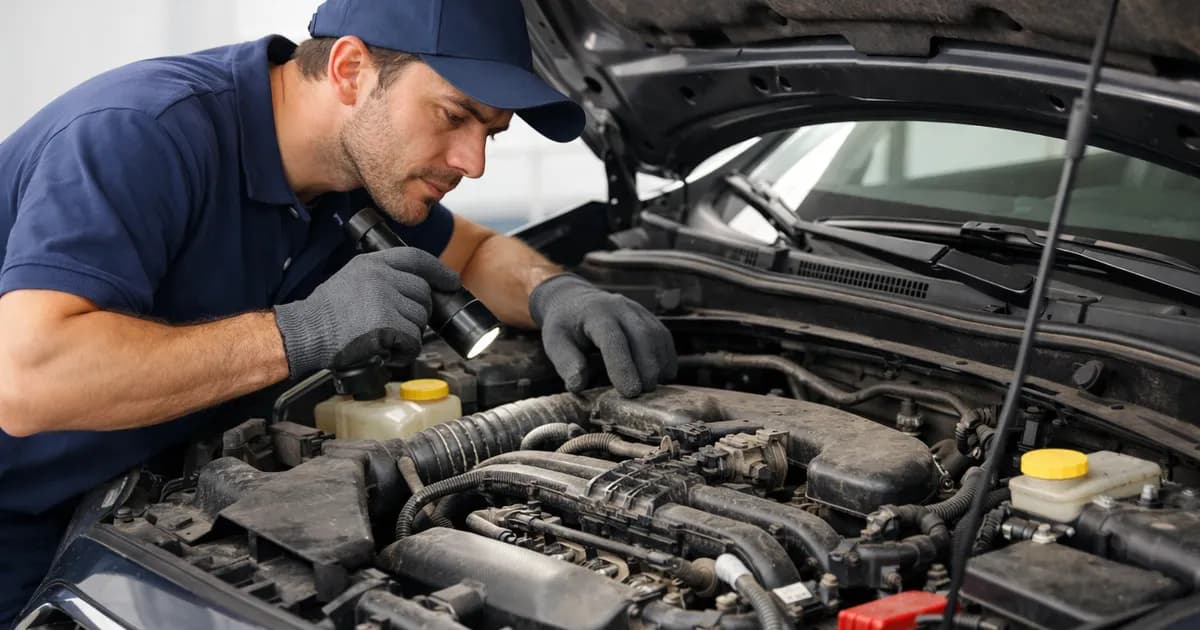
Buying a used car without checking its condition is like signing a blank check. It can work out well. But when it goes wrong, it goes very wrong. And most problems could have been spotted before paying if someone had spent 30 minutes looking over the car with a minimum of attention. You do not need to be a mechanic: you just need to know where to look and what to ask.
What common used car problems can a car hide even if it looks fine?
An engine that sounds good may have a head gasket about to fail. A gearbox that works during the test drive may start causing problems after just a few miles. The timing belt may be at the end of its life without anyone telling you.
These are faults you cannot see at first glance but that cost a lot of money: between 800 and 3,000 euros each. If you do not inspect the car, you will not find them until it is too late. And then you can no longer go after the seller, because the car is already yours.
The most dangerous mechanical issues to miss are those affecting the engine (head gasket, timing system, turbo), the drivetrain (gearbox, clutch), and the brakes. All of them have early warning signs you can spot during a visual inspection and test drive if you know where to look. Persistent white smoke from the exhaust, strange vibrations at idle, jerking during gear changes, or a spongy brake pedal are all indicators you should not ignore.
How many miles is too many for a used car, and how can I tell if the mileage has been tampered with?
It is more common than it seems. It is estimated that between 5% and 12% of used cars in Europe have had their mileage altered. A car with rolled-back miles looks like a bargain: less wear, better price. But the reality is that the parts have real wear, not the one shown on the dashboard.
You buy a car you think has 80,000 miles, but it actually has 180,000. The maintenance it needs is not the same, and the problems show up much sooner than you expected. To detect it:
- Compare visible wear with the stated mileage: a shiny steering wheel, worn pedals, and a sagging seat in a car that supposedly has 60,000 miles are clear signs.
- Ask for the State Vehicle Inspection history: mileage is recorded at each inspection. If it goes down between inspections, there has been tampering.
- Check workshop invoices: mileage appears on each invoice. If there are no invoices, you cannot verify anything.
- Look for workshop stickers: there are often stickers left on the door frame with the date and mileage of the last oil change.
What are the risks of buying a used car with hidden accident damage?
A car that has had a serious crash and been repaired may look perfect on the outside. The paint shines, the panels are aligned, and everything seems correct. But if the structure has been affected, the vehicle's safety is compromised. In another accident, that car will not protect you as it should.
The problems with a car that has structural damage show up with use:
- Wheel alignment that keeps going out: the car pulls to one side even after an alignment.
- Uneven tire wear: one side wears out much faster than the other.
- Strange noises from the body: creaks or knocking sounds when going over bumps.
- Vibrations at higher speeds: the car shakes from 100 or 120 km/h onward.
- Doors or windows that do not close properly: a sign that the chassis is warped.
You can detect some of these signs during the inspection if you look closely at the body seams, the paint (differences in tone or texture between panels), and the gaps between panels (if they are not symmetrical, something has moved).
What documents needed to buy a used car privately should I check for legal issues?
A car with outstanding liens, unpaid financing, or a seizure order is a legal problem you inherit when you buy it. You could end up losing both the car and your money. And there are cases of cars with altered paperwork or paperwork that does not match the real vehicle.
Without checking, there is no way to know. Before paying, ask for a DMV vehicle history report using the car's license plate. That report tells you whether the car has liens, seizures, whether it is listed as stolen, or whether it has any administrative restriction. It is cheap, quick, and can save you from a huge headache.
Also check that the car's vehicle identification number (VIN) matches the one on the documents. You can find the VIN on the dashboard plate (visible from outside through the windshield), on the driver's door frame, and on the registration paperwork. If the numbers do not match, do not buy that car under any circumstances.
How to negotiate the price of a used car when a cheap car can end up being very expensive
A car can run and still need several repairs that add up to a significant amount. Brakes at the limit, worn tires, old battery, oil not changed, dirty filters, overdue timing belt, slipping clutch. Each item by itself may seem minor, but together they turn your cheap car into a money pit.
If you do not inspect it beforehand, you find out later when the workshop bill arrives. And by then you can no longer negotiate or return the car. The reconditioning of a car that has not been maintained can easily add between 500 and 2,000 euros, and that is money you should have added to the price before deciding whether it was a good deal.
The rule is simple: the asking price plus the reconditioning cost equals the real price of the car. If that number is higher than what a similar car with up-to-date maintenance would cost, the supposed bargain is not a bargain.
Does a State Vehicle Inspection guarantee a used car is in good condition?
No. Having a valid State Vehicle Inspection does not mean the car is in good shape. The inspection checks minimum safety and emissions standards, but it does not check the state of the clutch, the timing system, or whether the engine burns oil. There are many expensive problems a car can have and still pass the inspection without issue.
The inspection confirms that the car is legally roadworthy. It does not confirm that it is a good buy. Those are two very different things. A car that just passed inspection may still need 1,500 euros in reconditioning that the inspection did not catch because those items are not evaluated.
Can I trust what the seller says about the car?
Not all sellers lie, but many leave things out. "Runs perfectly" may simply mean it starts and moves, not that it is in good condition. The excuses are always the same: the noise is normal, it just needs a recharge, the mileage is genuine.
Without your own verification, you are relying on the word of someone who has an interest in selling. And that interest is not always aligned with yours. The only way to know the truth is to inspect the car yourself or with someone who knows what to look for. The point is not to distrust everyone, but to have your own information so you can make a decision based on facts, not promises.
Buying a used car online sight unseen: what is the difference between a verified car and one that has not been checked?
Checking the condition of a car before buying it does not guarantee everything will be perfect, but it gives you real information to make an informed decision. You know what you are buying, you know what it still needs, and you know what it will really cost you. Without that information, you are gambling.
Verification allows you to:
- Negotiate with facts: if you find that the car needs a timing belt, brakes, or tires, you can ask for a corresponding discount.
- Walk away in time: if you find a serious issue (head gasket, structural damage, tampered mileage), you can leave before paying.
- Compare objectively: when you have inspected two or three cars using the same method, you can compare their real condition, not just their price.
With AskPancho, you can do that verification while standing in front of the car. Pancho guides you step by step with questions tailored to the specific model, asks for specific photos, and gives you a detailed report with a score and the issues it detected. You do not need to be a mechanic, just follow the instructions.