
How to Negotiate the Price of a Used Car
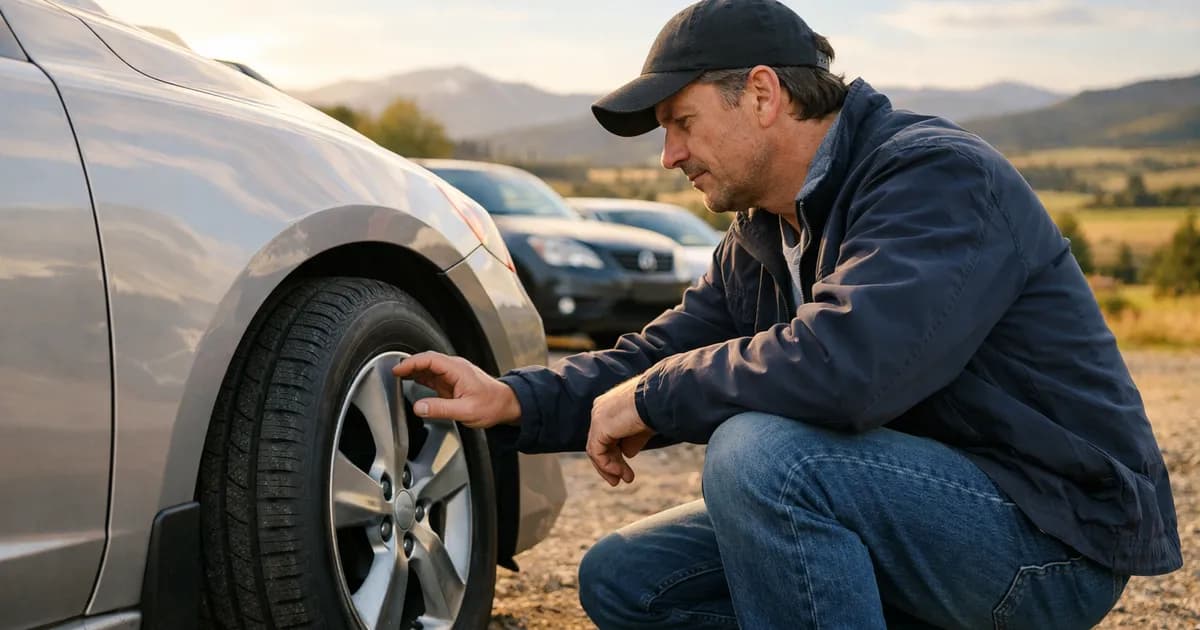
Negotiating the price of a used car is not about haggling for the sake of it. It means having real arguments for paying what the car is actually worth, not what the seller wants you to pay. And the best arguments come before you even open your mouth: research the market, inspect the car thoroughly, and know exactly what it is missing.
What should I research before viewing the car to negotiate better?
Before you go to see the car, research its market value. Look for the same model, year, and similar mileage on several platforms (Wallapop, Milanuncios, Coches.net, AutoScout24). That way, you’ll know what people are normally asking and can tell whether the listing price is high, low, or fair.
Set your maximum budget before leaving home. Not the price you’d like to pay, but the absolute maximum you can spend, including title transfer, insurance, taxes, and any immediate repairs. Write it down if you need to. If the car goes above that number, it is not your car. The used car market is huge, and another one will always come along.
It is also worth knowing the common used car problems specific to that model. If you know a certain engine is known for oil consumption or that gearbox problems are common on that model, those are points you can use in the negotiation if you spot them during the inspection.
Why should I inspect the car thoroughly before talking about price?
Every defect you find during the inspection is a reason to negotiate. Do not rush into talking money. First look, test, and note everything you see:
- Scratches and dents on the bodywork: each one has a repair cost you can estimate.
- Worn tires: a new set costs between 200 and 600 euros.
- Timing belt with no invoice: you should assume it needs replacing, which costs between 300 and 800 euros.
- Brakes near the limit: pads and discs can add up to between 200 and 400 euros.
- Slipping clutch: repair costs between 600 and 1,200 euros.
If the seller tries to talk about price before you have finished the inspection, tell them you want to take a proper look at the car first. There is no rush. Anyone who rushes usually has something to hide.
What kind of arguments actually work when negotiating a used car?
"I think it’s expensive" is not an argument. "The tires are at the limit and need replacing, which will cost about 400 euros" is. "I’m not convinced" is useless. "The timing belt has no invoice and needs to be replaced, which costs between 400 and 700 euros depending on the model" is a fact that justifies a lower price.
The more specific your arguments are, the harder they are for the seller to dismiss. You are not haggling, you are adjusting the price to the reality of the car. If you have done an inspection with AskPancho and have a documented report with photos, your arguments are even harder to challenge. It is not an opinion; it is data.
How can I avoid showing the seller that I’m too interested?
If the seller sees that you are desperate for the car, they lose all motivation to lower the price. Why would they drop it if they know you will buy it anyway?
You do not need to pretend you are not interested, but you should stay calm. Ask the questions you need to ask, take notes, and do not say things like "this is exactly what I was looking for" or "I love it" before you have negotiated. Keeping a professional, calm attitude puts the seller in a more uncertain position about whether you will close the deal or not, and that gives you the advantage.
What is the best tactic for making the first offer?
If your target price is one amount, offer less. Not an insulting amount, but enough to leave room. A good rule is to offer between 10% and 15% less than what you are willing to pay.
The seller will make a counteroffer, and you will meet somewhere in the middle. If you start at your maximum, you have no room left and end up paying more than you wanted. After making your offer, stay quiet. Many buyers get nervous in silence and start justifying themselves or raising their own price. Make your offer, explain why, and wait. Let the seller speak first.
When should I walk away from a negotiation?
The most powerful negotiation tool is being willing to walk away. If the price does not make sense, thank them for their time and leave. Many times you will get a message the next day with a better price. And if you do not, that means that car was not for you.
Never negotiate as if this is the only car in existence. There are more cars. If you feel pressured or the negotiation is not moving forward, get up and leave. It is much better than overpaying. Good sellers understand this and do not take offense; bad sellers get nervous, which also gives you information.
How do I spot and neutralize seller pressure tactics?
Sellers have their own tactics, and knowing them gives you an edge:
- "I have another interested buyer": that may be true, or it may be pressure. Do not change your strategy because of it. If there is another buyer, let them have it.
- "I just put X euros into repairs": ask for the invoices. If they have them, that is a fair argument. If they do not, it is just a phrase.
- "At that price, it’s practically a giveaway": they are not giving it away. They are negotiating just like you are. Hold your position if your arguments are solid.
- "I can’t go any lower": if they really cannot, ask for extras: new tires, a workshop inspection included, an extended warranty. Sometimes it is easier to get extras than a direct discount.
What should I sign before paying for a used car?
If you reach an agreement, put it in writing before handing over a single euro. The document should include:
- The agreed price.
- The condition of the car as you both agreed it was sold in (declared mileage, known defects, pending repairs if any).
- The terms of the sale (payment method, delivery date, included documents).
- The buyer’s and seller’s details.
Without a written contract, a deposit is money you can lose with no protection. It does not matter how well you get along with the seller. And never pay the full amount in cash without leaving a trace: a bank transfer provides proof of the transaction.
How does an inspection report help me negotiate better?
The best negotiation is the one you make with data. You know what the car is worth on the market, you know what it is missing, and you know how much it will cost to fix. With AskPancho, you can inspect the car thoroughly during the assessment. Pancho guides you step by step, tells you what to check based on the model, asks for photos, and gives you a detailed report with a score.
With that information, your negotiation arguments are real and documented. You are not giving an opinion; you are showing facts. And a seller has a much harder time disputing a report with photos than a feeling that the car "is overpriced."