
Damp in a Used Motorhome: How to Detect It and Why It’s So Serious
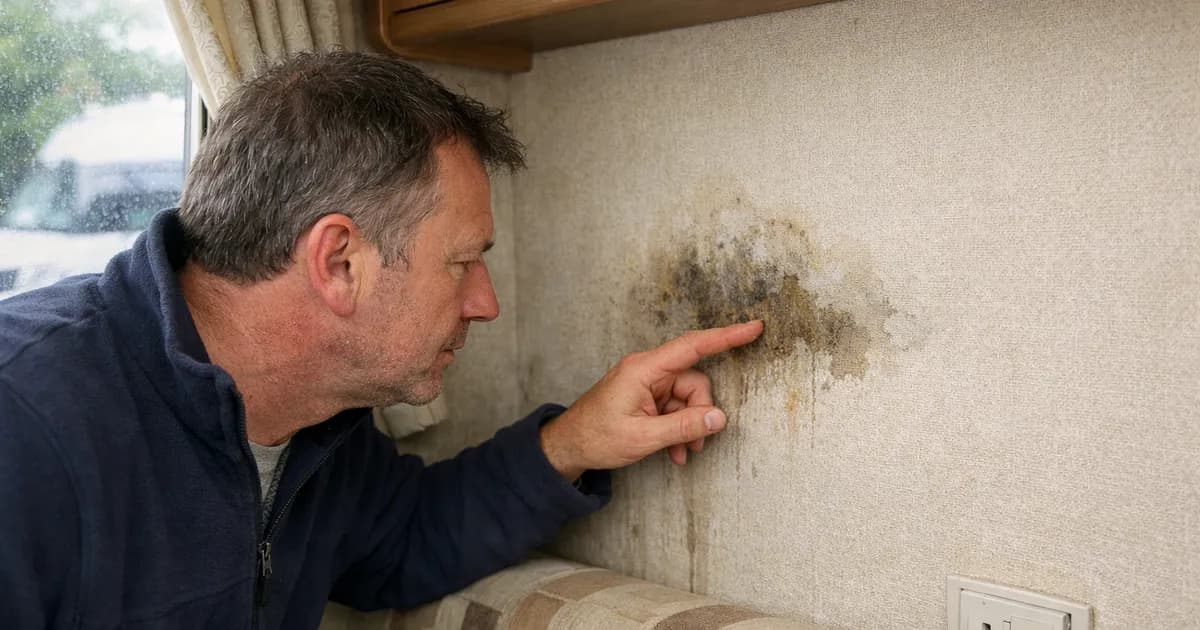
If there is one thing that can spell the end for a used motorhome, it is damp. A leak left undetected for months or years rots the wooden structure from the inside, and by the time you notice it, the repair may cost more than the vehicle itself. Before buying any used motorhome, learn how to spot it: it is the most important skill you can have.
Why is damp the most serious problem in a motorhome?
The structure of most motorhomes is made of wood covered with insulating materials. If water gets in and stays there, that wood absorbs the moisture, swells, loses strength, and eventually rots. The problem is that this happens from the inside, where you cannot see it. By the time you start noticing signs on the outside (stains, smells, soft spots), the damage has usually been progressing for quite some time.
A minor damp repair can cost a few hundred euros if caught early. If the structure is compromised, the bill can run into several thousand. And in the worst cases, the motorhome is no longer worth repairing. What looked like a bargain can turn into a money pit with no visible bottom.
There is another reason damp is especially dangerous: it is easy to hide temporarily. A seller can paint over a stained area, use air freshener, replace the upholstery in the affected area, or touch up the sealant on the outside. A superficial inspection will not catch it. That is why it is essential to know exactly where to look.
How to detect roof damp in a used motorhome without professional tools
You do not need a moisture meter to detect most damp problems. Your senses give you a lot of information if you know how to use them.
- Start with your sense of smell. As soon as you get in the motorhome, stop and take a sniff. If it smells musty, moldy, or damp, be cautious. It is the first sign and the most reliable one. A seller may have aired it out before your visit, but the smell of mold in the wood will not disappear just by opening the windows for a while.
- Feel the walls and ceiling. Press with your fingers in the corners, around the windows, under the skylights, and around door frames. If you notice a soft area or material that gives way, there is internal damp. A healthy wall feels firm to the touch.
- Look under the mattresses. Lift every mattress and inspect the surface underneath. Damp marks on the lower panels are a very clear warning sign. If the seller does not want you lifting the mattresses, that is already a reason to be suspicious.
- Check every cupboard. Open all the cupboards, especially the overhead ones and those in the bathroom. Look for water stains, discoloration in the upholstery, mold, or areas with a different texture. Rear cupboards and those at the back are especially likely to trap damp.
- Inspect the roof from the outside. If you can get onto the roof (with the seller’s permission), look for areas where water could pool. Flat motorhome roofs are especially prone to holding water. Check the sealant around skylights, antennas, and vents: if it is cracked, hard, or lifting, water may be getting in there.
- Check the window frames. Window seals are one of the most common entry points for water. Watch out for traces of added silicone on the outside: it can indicate a DIY repair after a leak. Better to know before you buy than after.
What can a professional spot that a private buyer cannot see?
A moisture meter measures damp inside the walls without having to open them. It is a tool used by specialist motorhome workshops and can make the difference between buying a sound motorhome and buying a huge problem. There are areas where the damage is already advanced but still shows no visible signs or smell. Only a moisture meter will detect it.
If you are considering a major purchase, paying for a professional damp inspection (usually costing between 100 and 200 euros) is one of the best investments you can make. That cost is tiny compared with what it can save you. It also helps to have a clear understanding of the most important points to check on a used motorhome before deciding.
How to check used motorhome grey water tank areas and other common water entry points
Water does not enter just anywhere: it follows familiar paths. Knowing them lets you inspect the critical areas without wasting time on spots that rarely cause problems.
- Sealant around skylights, antennas, and roof vents.
- Window frame seals, especially on older side windows.
- The rear area where the living section joins the driver’s cab.
- Bathroom sealant, especially around the shower and toilet.
- External storage lockers and their seals: if there are traces of damp inside, water is getting through.
- Awning area: if the rail is poorly sealed, water can run down into the side wall.
Buying a used motorhome out of season: how to prevent damp if you already own one
The golden rule is to carry out a leak test once a year. Visually inspect the exterior sealant every season. Do not park on damp ground for long periods. Ventilate whenever possible to prevent interior condensation. And level the motorhome with a slight tilt so water does not pool on the roof.
Sealants have a limited lifespan: between 5 and 10 years depending on the type. Checking them every season and replacing them when they show cracks or loss of adhesion is the cheapest way to prevent damp. The materials cost between 20 and 50 euros. A structural repair can cost 3,000 euros.
With AskPancho you can inspect the motorhome step by step while it is right in front of you. Pancho guides you through the areas most vulnerable to damp and helps you spot the signs an untrained eye might miss. If you want an even more complete inspection, also see how to carry out a proper inspection of a used motorhome. Cheap should not end up costing you a fortune.