
Buying a Used Motorhome: What People Forget in Their Hurry
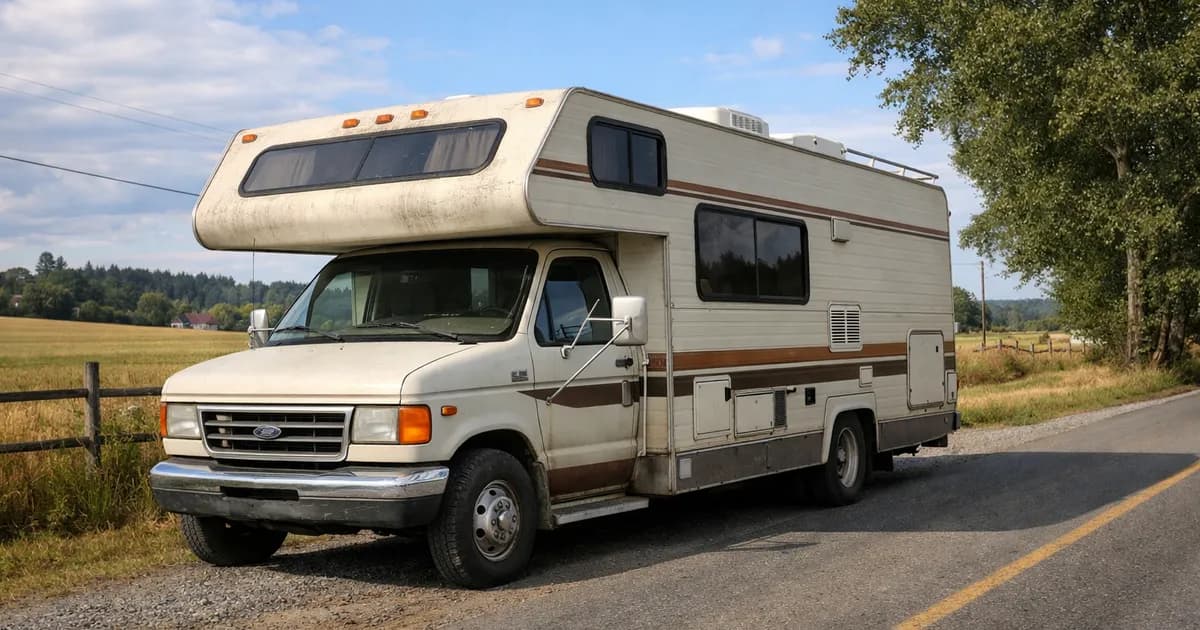
Buying a used motorhome is probably one of the most emotional purchases there is. You picture yourself on the road, free, with your home behind you. And it is exactly that excitement that makes people skip basic steps that would save them thousands of euros. Rushing a motorhome purchase is expensive. This guide helps you avoid paying for it.
What should you know before you start looking for a first used motorhome?
It may seem obvious, but many people start browsing listings without being clear about what they need. The first step is to define how many people will travel and sleep inside. A couple is not the same as a family with children. And the number of seats with seat belts is not the same as the sleeping berths. Always check both figures on the registration document before going to see any vehicle.
Weight matters more than you think. With a standard B license, you can drive vehicles up to 3,500 kg of maximum authorized mass. If the motorhome exceeds that weight, you need a different license. And be careful: many motorhomes homologated at 3,500 kg go overweight as soon as you load them with food, clothes, bikes, and gas bottles. Always ask for the real empty weight and calculate how much payload you actually have left.
It is also worth deciding what type of bed you want (fixed, drop-down, overcab), the maximum length you are comfortable driving, and whether you need a full bathroom or a wet bath is enough. Having this clear before you start looking at ads saves time and prevents you from visiting vehicles that do not fit your real use.
How to check a used motorhome from home before you go and see it
Most people go to see a motorhome without doing any prior research. That is the first mistake.
- Look up the exact model and its known issues. Every brand and model has weak points. Caravan and motorhome forums are full of real owner feedback. Ten minutes of reading can save you a costly headache.
- Ask for photos of everything, not just the exterior. Ask for photos of the roof (inside and out), under the mattresses, inside the cabinets, the bathroom area, the engine, and the underside. If the seller does not want to send them, it is probably not worth the trip.
- Ask for the license plate and check the history through the DMV. You can verify whether the State Vehicle Inspection is current, and whether there are outstanding liens, garnishments, or unpaid financing. It is free and can save you a useless trip.
- Ask for the gas certificate or the certificate for the relevant installation. The gas installation usually requires periodic inspection depending on the system and the applicable regulations. Without that documentation, you may have trouble insuring it or using it with peace of mind, and they may require you to bring it up to date. If the seller does not have the certificate or it has expired, that cost is yours.
Why can a used motorhome with low miles be in worse condition than one with many miles?
This is the most common trap with motorhomes. A car with low mileage is usually fine. A motorhome with low mileage can be in terrible shape. Motorhomes sit unused for months, and a vehicle that is parked ages differently: seals dry out and crack, rubber components perish, tires flatten, batteries deteriorate, and moisture builds up.
A motorhome that has been driven regularly and properly maintained is often in better condition than one that has been parked in a field for two years. Do not let the odometer impress you. Always ask for the maintenance history and request invoices from the last few years.
Which used motorhomes have the fewest problems when they are imported or sold online?
A significant share of used motorhomes sold in Spain are imported. Not all of them are a problem, but there are things you need to check. Make sure the details on the registration document match the actual vehicle, especially the weight. Make sure the paperwork makes sense. Make sure it is not a rental vehicle being resold without your knowledge. And be especially careful with prices that are well below market value on imported vehicles: there have been cases of motorhome scams and tampered paperwork designed to make the vehicle appear to comply with the 3,500 kg limit.
Online scams follow the same pattern: very low price, the vehicle is supposedly in another country or another city, and they ask you for a deposit by bank transfer to “reserve” it. Once you transfer the money, they disappear. Never hand over money without seeing the motorhome in person and verifying the seller’s identity.
How to react if the seller pressures you to decide on the spot
Used motorhomes generate a lot of demand, and sellers know it. “I have three other people interested,” “if you do not decide today, someone else will take it.” That may be true, or it may be pressure. Either way, it does not matter. If you have not been able to inspect the vehicle thoroughly, do not buy it. There are more motorhomes. And if the one you like gets sold to someone else because you needed more time to decide, that is better than buying a problem.
The warning signs are clear: the seller does not want you to check the heating, does not have the gas certificate, will not let you lift the mattresses, or makes excuses to avoid a test drive. If any of that happens, walk away. If the seller has nothing to hide and the motorhome is in good condition, they have no reason to refuse.
What should you inspect during the viewing so you do not miss anything important?
Once you are standing in front of the motorhome, the biggest risk is excitement. You like the vehicle, the seller is friendly, the interior looks clean. And you forget to check half the items on your list. To avoid that, always follow the same order:
- Start with the roof and external seals before going inside.
- When you get in, smell first. If there is any damp or stale smell, that is the first warning sign.
- Lift every mattress and open every cabinet before looking at anything else.
- Switch on the heating, the fridge in all modes, the water pump, and all the lights.
- Check the paperwork at the end, once you already know the vehicle’s real condition.
With AskPancho, you can inspect the motorhome step by step while it is right in front of you. Pancho guides you with questions tailored to the model, asks for specific photos, and gives you a detailed report. You do not need to be an expert, just follow the instructions. Make sure the cheap option does not end up costing you more. If you want to know how much it can cost to put everything right, take a look at how much it really costs to get a used motorhome road-ready.