
How to Tell if a Used Motorhome Came from a Rental Fleet
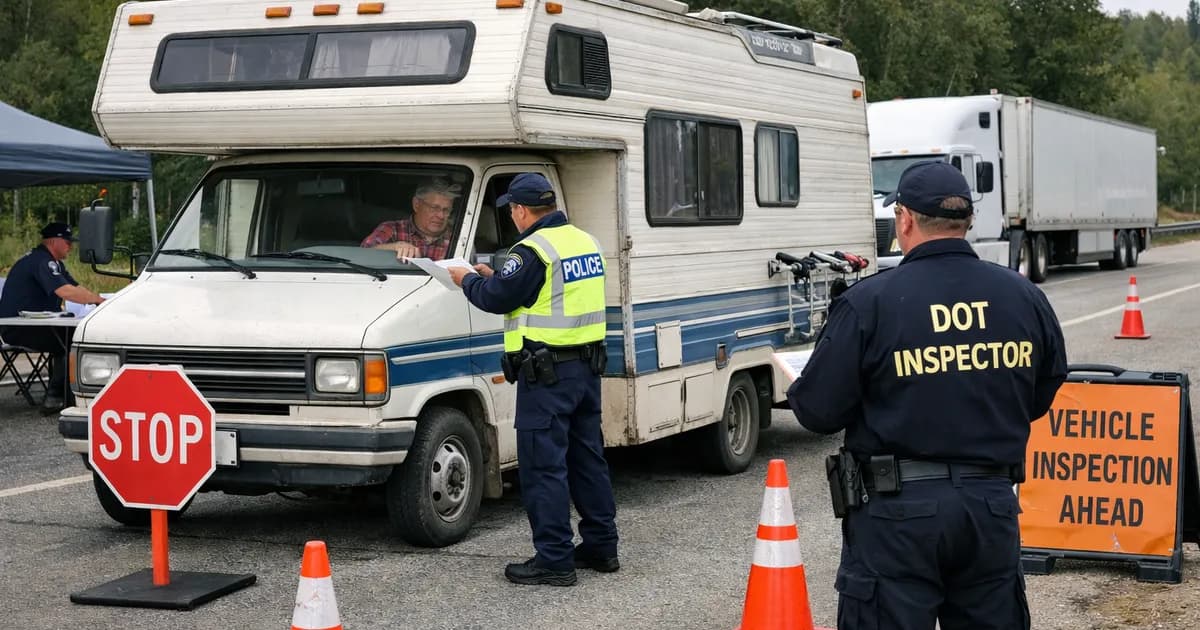
A motorhome from a rental fleet is not automatically a bad buy — it is simply a different kind of purchase. It has had dozens of different users, covered a lot of miles in a short time, and taken more wear than one used privately. Spotting it before you pay lets you negotiate the price down and focus on the parts that take the most punishment in this kind of use.
Why does it matter whether a used motorhome was rented out?
There are two practical reasons. The first is price. A former rental motorhome should usually cost 10% to 20% less than a comparable private-sale one, because the accumulated wear is greater even if the age is the same. If the seller does not mention that it came from a fleet and asks private-sale money for it, you are overpaying.
The second reason is the kind of inspection you need to do. A privately owned motorhome usually shows wear in the areas the owner uses most — the driver's seat, one of the mattresses, the main bathroom — while a former rental tends to show more even wear throughout: all the mattresses, all the seats, all the taps, all the systems. Knowing in advance that it was a rental helps you inspect the whole vehicle, not just the most important things to check.
One thing is worth making clear: many companies sell off their rental fleets as used vehicles completely legally, with a pre-sale inspection and sometimes a one-year warranty. Caravaning K2, VoyenVan and Caravanas Mallón do this openly. The problem is not buying one of those; the problem is buying a former rental without knowing it and paying the wrong price.
How can you check whether a motorhome was rented out?
This is the most reliable check you can do, and it is public. In many countries, you can request an official vehicle history report with just the plate number, without being the owner. The report usually shows whether each previous registered holder was a private person or a company, and how long each one kept the vehicle.
- Basic report: often free. It tells you whether the vehicle has liens or issues that could block a sale, but it does not usually give ownership details.
- Full report: usually a small fee. It includes the full ownership history, the mileage recorded in periodic inspections and any liens on the vehicle.
If the ownership history shows a company that kept the vehicle for one, two or three years and then a private buyer, it was almost certainly a former rental. You can often confirm it by searching that company name on Google: if it is a known rental dealer in the sector, the vehicle came from a fleet. If that company had the vehicle from first registration and sold it to a private buyer with 30,000 or 40,000 miles in two years, there is not much room for doubt.
If you have a digital ID or online access, you can usually request the report directly from the official website of the relevant authority. If not, paperwork services can often request it for you for a small fee. Spending a few dollars before risking $30,000 or $40,000 on a purchase is one of the easiest decisions in this check.
What physical signs give away a former rental motorhome?
If you cannot request the report before the visit, there are signs you can spot with your own eyes as soon as you step inside. Taken separately, they do not prove anything, but if three or four show up together, the odds are high.
- Even wear throughout the interior. All mattresses with similar marks of use, all dinette seats with the same amount of sagging, all taps with a bit of play. On a private motorhome, the owner uses some areas more than others and the rest are often almost like new.
- Basic equipment with no personal touch. No decorative stickers, extra hooks, added shelves or homemade phone mounts. Private owners tend to customise their motorhomes over time; fleets keep them standard.
- Traces of stickers or erased numbering. Check the rear, the sides of the living area and the entry door. Many companies put their logo and fleet number on with vinyl, and when they sell the vehicle they remove it, but a shadow or a slightly different shine often remains.
- Very clean interior with no stale smell. Rental fleets are professionally cleaned before every hire, so the inside often looks spotless even on a motorhome with 60,000 miles. It is a curious clue: too clean can be a sign of recent commercial use.
- Worn tyres despite being relatively new. Tyres that are 2 or 3 years old and already close to the limit suggest a lot of miles in a short time, which is typical of rental use.
- Spots in high-use areas. Marks on the floor near the door from repeated getting in and out, heavy wear on the toilet seat, water marks around the sink.
If you are already doing a full inspection of the motorhome, add these points to your checklist and do not look at them one by one: what counts is the overall pattern.
What mileage is suspicious for rental use?
Private-use motorhomes that are mainly used for holidays and weekends usually rack up moderate mileage over the years. Rental-fleet units are in a different league. In high season, they can be booked almost every weekend and for full weeks in summer, so the mileage climbs much faster.
A few patterns should make you ask questions:
- A 2- or 3-year-old motorhome with very high mileage: almost certainly former rental, because most private owners do not put that many miles on a vehicle that quickly.
- A 5-year-old motorhome with mileage that seems high for private use: often fleet in the early years, then private.
- A 10-year-old motorhome with very low mileage: the opposite problem, probably underused. Here, tyres age just as much even if you use it very little, and that creates a different kind of issue.
The mileage trail in the full report lets you compare what the odometer shows now with what was recorded at each periodic inspection. If the motorhome added a huge amount of mileage between two inspections and the seller says it was only used for occasional family trips, something does not add up.
Which brands and models are usually used by motorhome rental companies?
Rental companies choose motorhomes based on value for money, proven reliability and ease of maintenance. Not because they are worse, but because they need to amortise them in three or four years and replace them. The most common brands in Spanish fleets are Dethleffs, Sunlight, Chausson, Benimar and Ilusión, and for campers, Globecar and Pössl.
That does not mean a Dethleffs used motorhome is always a former rental. These are also very popular with private buyers. What it does mean is that if you see one of these brands with 2 or 3 years on the clock and quite a few miles, and it is being sold by a dealer that also runs rentals, the odds go up a lot. Premium brands such as Hymer, Carthago or Frankia are less common in fleets because they are too expensive to amortise through hire.
Layouts matter too. Fleets prefer standard layouts with four or five approved seats, rear twin beds or a cab-over bed for families, and an L-shaped dinette. A motorhome with an unusual layout, an island bed or obvious owner customisation was probably not a fleet vehicle.
Is it worth buying a former rental motorhome?
It can be a good buy, as long as you know what it is and the price reflects that. The real advantages are these: documented maintenance, because companies keep up with servicing, tyres and fluids as part of the business; often still within the manufacturer's warranty in the first few years; and inspected by the dealer before being put up for sale if you buy it from the same place that rented it out.
The downsides are just as real. Heavy use in a short time, many different users with different levels of care, a higher chance that someone made a bad manoeuvre (a dent in a mirror, a side scrape, a hit to the cab-over area that was later painted over), and habitation systems used every day for three straight years — fridge, water pump, heating — that are closer to the end of their service life than those in a privately owned vehicle of the same age.
If you decide to buy it, adjust both the price and the inspection on three fronts:
- A minimum discount of 10% to 15% compared with a similar private-sale motorhome. If you do not get that, there is no point in taking on the extra wear.
- Budget for medium-term replacements. Tyres, auxiliary battery, possible water pump, possible bathroom pump seals. The real tune-up cost of a used motorhome matters more here.
- Inspect the chassis, underbody and cab-over area closely. These are the places where minor knocks from rental use tend to pile up without being declared.
If the dealer is the same one that rented it out and gives you a real one-year warranty, the deal can work out well. If a private seller bought it from a fleet and is now selling it to you at normal private-sale price, walk away. What makes the difference between a good and a bad deal here is transparency and price.
With AskPancho, you can inspect a used motorhome step by step while it is in front of you, with questions adapted to the exact model and specific signs to detect heavy use. And if you want to go further in the negotiation, learn how to negotiate the price of a used motorhome so you can adjust the offer with real data in hand. Cheap should not turn out expensive.