
Buying a First Used Motorhome: Private Seller or Dealer?
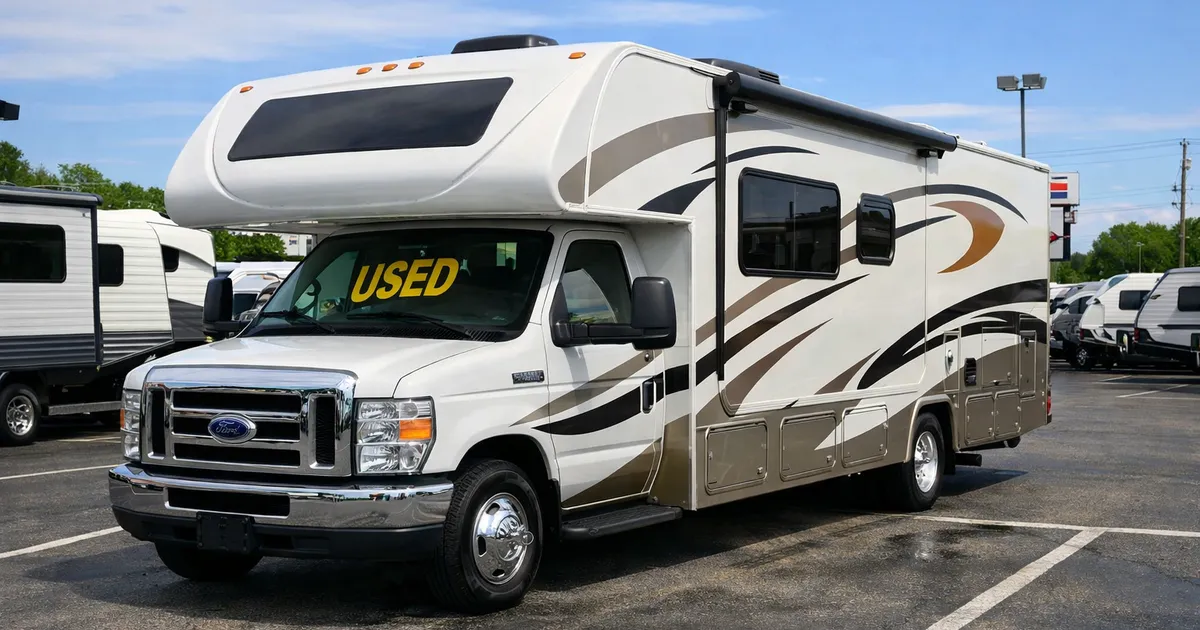
When you're looking for a used motorhome, you'll end up finding vehicles from private sellers and dealers, sometimes the same model at very different prices. What changes is not just the price. It's what’s included, what protection you get, and what risks you take on. Knowing the difference before you decide can save you a lot of trouble.
How does the price of a used motorhome differ between a private seller and a dealer?
With a private seller, the price is usually lower. There are no showroom costs, no staff expenses, and no vehicle preparation costs. They sell you what they have, as it is. A dealer charges more because the price includes profit margin, vehicle preparation, and, in many cases, a warranty.
But the lowest price is not always the cheapest in the end. A used motorhome from a private seller with no warranty that needs repairs can end up costing more than one from a dealer that has already been checked over. Do the full math before deciding. The asking price is just the first number: the preparation work, pending repairs, and lack of warranty all have a cost that must be added in.
What legal warranty does each option offer when buying a used motorhome?
Dealers are legally required to provide a warranty when selling used vehicles (at least one year in Spain). That means if a mechanical or livability issue appears that was not visible at the time of purchase, you can make a claim. The warranty does not cover normal wear and tear, but it does cover hidden defects. It is real protection that has value, especially with a vehicle type where problems in the living area may take time to show up.
A private seller does not give you a warranty unless you agree one in writing. If you buy and something goes wrong, your only legal option is to prove that there was a hidden defect, and that is slower and more difficult. In many cases, it is not worth the effort and time required.
Who knows the real history of the used motorhome better?
A private seller who has owned the motorhome knows its history firsthand. They know what repairs it has had, how it has been used, and what problems it has had. If they are honest, that information is very valuable. If they are not, there is no way to verify it beyond the invoices and documents they show you.
A dealer may not know the vehicle's full history. Many motorhomes they sell come from direct purchases, trade-ins, or imports. What they should have, however, is a mechanical and living-area inspection completed before sale. Ask what they checked and request the report. If they do not have an inspection report, treat it as if you were buying from a private seller.
What specific risks should you keep in mind in each case?
Rental motorhomes. Many dealers sell motorhomes that were previously rentals. That is not necessarily bad, but it is worth knowing. A rental motorhome has passed through many hands and has been used more intensively. The interior usually shows more wear, the mechanisms have more play, and the systems have been worked harder. Always ask where the vehicle came from.
Imports. Both private sellers and dealers sell imported motorhomes. Dealers should handle all the paperwork and compliance work. With a private seller, check that the details on the U.S. title or registration paperwork match the actual vehicle, especially the weight. There can be cases where paperwork has been altered to make the vehicle appear lighter than it really is in order to avoid license or emissions zone restrictions.
Sales pressure. A private seller wants to sell because they need the money or want to change vehicles. The pressure is usually direct but limited. A dealer has professional salespeople whose job is to close deals. Financing, limited-time offers, extras included “only today.” No matter the pressure: take your time to inspect and decide.
Scams. The risk of fraud is higher with private sellers, especially online. Fake ads, vehicles that do not exist, deposits that disappear. With established dealers the risk is lower, but not nonexistent: there have been cases of dealers selling imported vehicles with false documentation. Always verify the seller's identity and the vehicle details with the DMV.
How are the paperwork and transfer steps handled depending on the seller type?
With a dealer, they usually handle the title transfer, insurance setup, and all the administrative work. With a private seller, you do the paperwork yourself or take it to a title service. It is not complicated, but you must make sure you are not buying a motorhome with liens, unpaid loans, or financing that has not been cleared. Check with the DMV or the vehicle lien registry before signing anything.
Do you still need to inspect a used motorhome if it comes from a dealer?
Yes, without exception. Wherever you buy it, you need to inspect the used motorhome. A dealer warranty does not replace checking for damp, gas, heating, water, and everything else. The warranty protects you afterward, but spotting problems before you buy gives you bargaining power and helps you avoid surprises. A dealer who already knows you found a problem has a much stronger reason to fix it before the sale or lower the price.
With AskPancho, you can inspect the motorhome step by step, whether you buy from a private seller or a dealer. Pancho guides you with model-specific questions, asks for photos, and gives you a detailed report. Don’t let the cheap option end up costing you more.