
Key Checks for a Used Motorcycle
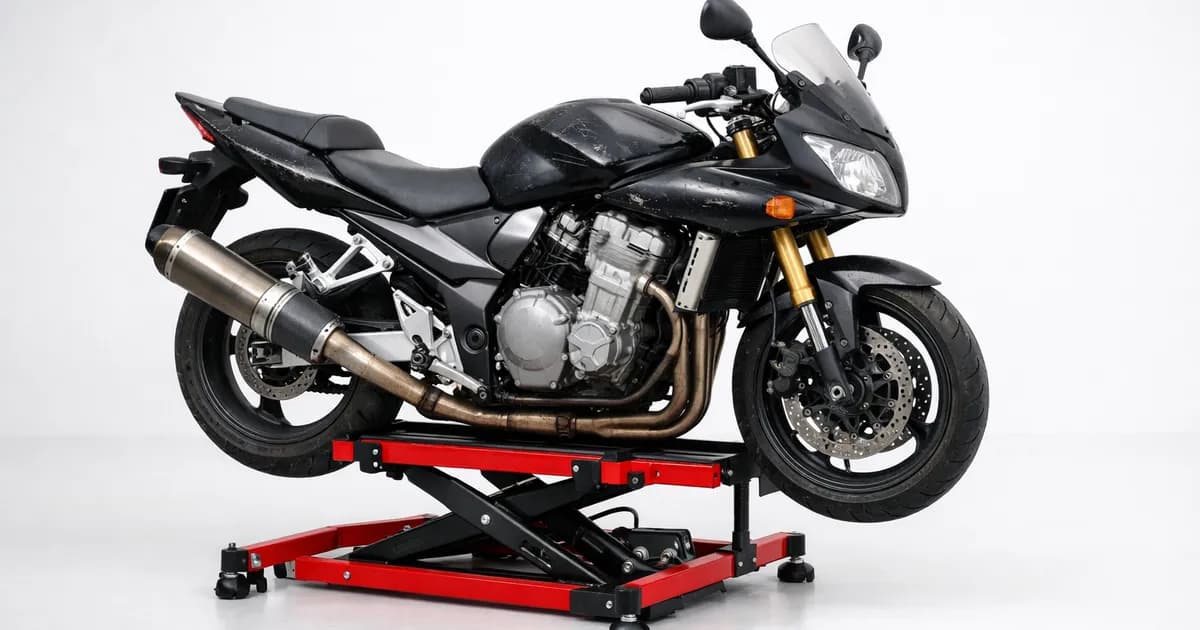
Inspecting a used motorcycle does not require being a mechanic, but it does mean knowing where to look. There are key points that tell you a lot about the bike’s real condition, how well it has been cared for, and what expenses you may face after buying it.
How do I check the engine and look for oil leaks?
Start the motorcycle from cold. A healthy engine starts without difficulty and settles within a few seconds. If it takes too long, backfires, makes metallic noises, or emits unusually colored smoke, there is a problem. Blue smoke means it is burning oil. Heavy white smoke may point to head gasket issues or internal moisture. Black smoke is usually a fuel mixture problem.
Look for oil leaks around the engine, especially at the valve cover and crankcase gasket areas. A motor with small traces of built-up grime is normal. An engine dripping oil is not.
Also pay attention to the idle sound once the engine has reached operating temperature. A light, rhythmic metallic tapping may indicate slack in the timing chain or wear in the valve guides. It is not always an immediate failure, but it can become an expensive repair if left unchecked.
What should I look for on the frame to spot crashes or repairs?
Inspect the frame welds. Look for cracks, splits, straightened tubing, or areas with fresh paint that does not match the rest. All of that can point to a hard impact or a drop, or to a poor repair job. Check that the VIN stamped on the frame is legible and matches the paperwork.
A properly repaired frame leaves the metal smooth and the paint even. A bad repair leaves surface irregularities, paint layers with different gloss levels, or areas where the tube looks slightly bent. If you see anything like that, ask for an explanation. If the seller cannot give one, be cautious.
How do I know if the fork tubes are in good condition?
The front fork tubes should be clean, shiny, and free of rust marks or scratches. Run your finger along them: if you feel any roughness or they are wet with oil, the fork seals are damaged. That is not a major repair in itself, but a leaking seal can contaminate the front brake pads and reduce braking performance. To check whether the tubes are bent, press down firmly on the front end: if it feels stiff or does not travel smoothly through its full stroke, something is wrong.
A quick way to check fork alignment is to stand in front of the motorcycle and see whether both tubes are parallel and at the same height. If one sits lower than the other, there may be a bend or an improperly adjusted triple clamp. You can also brake while riding in a straight line: if the front end pulls to one side under braking, there is an alignment issue.
What does the chain and sprocket set tell me about motorcycle maintenance?
Chain, front sprocket, and rear sprocket. The chain should have the correct tension (roughly 3 to 4 fingers of slack at the midpoint on the lower run) and should not be rusty or have stiff links. The sprocket teeth should be rounded. If they are sharp or hooked, the kit is worn out and it is time to replace it and tune the bike up.
A well-maintained chain has clean links, no visible rust, and lubricant evenly distributed. If the chain has patches of black or brown rust mixed in, it has not been lubricated regularly. That kind of neglect usually goes hand in hand with other maintenance problems.
How do I inspect the brakes to see if they are roadworthy?
Check the thickness of the brake pads (front and rear) and the condition of the rotors. A scored rotor or one with a pronounced lip needs replacing. Also look at the brake fluid level and color: if it is dark or the level is low, it has not been serviced in a long time. When braking, the feel should be firm. If it feels spongy, the system may need bleeding or may have a leak.
Check both brakes separately. Apply the hand lever and the foot pedal independently. If one of them feels spongy or does not provide the same braking feedback as the other, that circuit needs attention. A motorcycle with poor brakes is dangerous regardless of the price.
What should I check on the tires and electrical system before buying?
Inspect the tread and the manufacturing date (the DOT code on the sidewall). A tire with good tread but more than 5 or 6 years old may have lost grip. Also look for cuts, cracks, and uneven wear, which can indicate suspension or alignment problems.
As for the electrical system, make sure all lights work: low beam, high beam, turn signals, brake light (front and rear), and license plate light. Test the horn too. If the bike is older, electrical issues are common and can be difficult to diagnose without tools.
What do the grips, footpegs, and levers tell me about a motorcycle’s history?
These parts are good indicators of real-world use. Very worn grips on a low-mileage bike do not add up. Scraped footpegs can reveal drops. Brake or clutch levers with scuffs on the ends are also a sign that the bike has gone down.
The seat is another useful clue. Seat foam compresses and flattens with use. A seat that looks very flat and lacks rebound suggests many hours of riding, regardless of what the odometer says. Compare the condition of the seat with the grips and footpegs: if the wear is consistent across all of them, that makes sense. If it is not, something may be off.
With AskPancho, you can check all these points while standing next to the bike. Pancho guides you step by step and tells you exactly what to look for in each area. Don’t let a cheap bike end up costing you more.