
How Much Does It Really Cost to Get a Used Motorhome Ready?
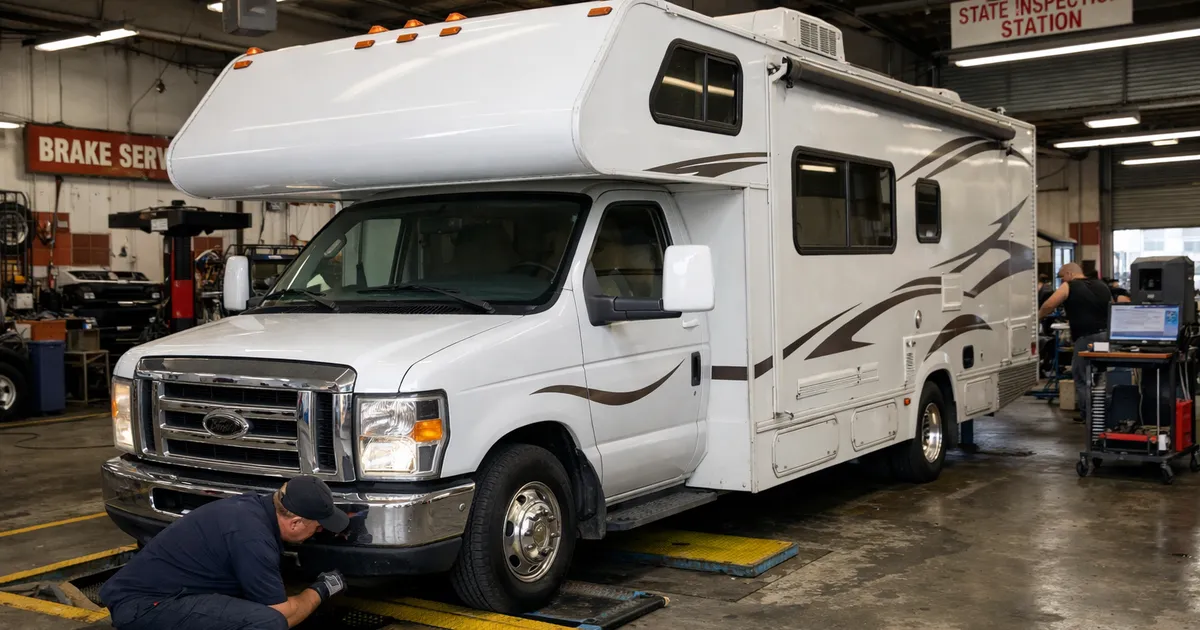
Buying a used motorhome is an exciting decision. But between the asking price and the moment you can head out on the road with peace of mind, there is a gap measured in dollars. Knowing how much the preparation will cost before you buy lets you negotiate better and make a clear-headed decision, not just one driven by excitement. A basic prep job can add between $500 and $1,500, and if the motorhome needs work in the living area or has worn-out tires, that figure can rise quickly. Calculate everything before signing anything.
How much does the mechanical side of a used motorhome cost?
A motorhome is, in essence, a large van with a house on top. The mechanics need the same maintenance as a car, but parts and labor are usually more expensive because of the size and accessibility. Before visiting any vehicle, it helps to know which services it may need and how much they cost, so you do not get carried away by the excitement of the moment.
- Oil and filters. An oil change with a filter can cost between $80 and $150. The air filter and fuel filter (on diesel engines) cost between $20 and $50 each. If there is no recent invoice, budget for this maintenance from the start.
- Brake pads and discs. Pads for one axle cost between $40 and $80. Discs cost between $60 and $150 each. In a motorhome, the brakes work hard because of the vehicle's weight, so it is common for them to need replacement even if the mileage is not very high.
- Tires. This is one of the big expenses. Motorhome tires are special, reinforced to handle the weight, and cost between $100 and $250 each. A set of four can run from $400 to $1,000. And remember: if they are more than 5 or 6 years old, they need replacing even if they still have tread.
- Timing belt. If the motorhome has a diesel engine with a belt drive (most do), and there is no invoice for a recent replacement, this expense is mandatory. It costs between $400 and $1,000 depending on the engine. It is one of the items that has the biggest impact on safety and one of the most often omitted in private listings.
- Starter battery. Motorhome batteries are larger and more expensive than car batteries. A new battery can cost between $100 and $200. If the vehicle has been sitting for a long time, this is one of the first components to fail.
- Clutch and gearbox. They do not always need attention, but if the motorhome has more than 150,000 miles and the clutch has never been replaced, it is wise to include it in your budget. The cost can range from $600 to $1,200 depending on the model.
Which living-area systems should you check, and how much do they cost?
The living area is what sets a motorhome apart from a simple van, and it is also where the most expensive and least visible problems appear. A seller may have spotless mechanics and a badly maintained living area, so inspect both parts separately and with the same level of care.
- Damp inspection. This is the most important preventive cost. A professional moisture check with a moisture meter costs between $100 and $200 and can save you thousands. If damp is found, repair costs depend on how serious it is: from $200 for a local reseal to several thousand if the structure is damaged.
- Auxiliary battery. The battery that powers the lights, water pump, and sockets in the living area. If it is a gel or AGM battery, it can cost between $150 and $300. If it is lithium, quite a bit more. If the motorhome has been unused for a long time, the auxiliary battery is likely dead or in very poor condition.
- Gas certificate. The gas system, which powers the fridge, heater, and cooktop, must be checked periodically. An inspection and certification costs between $40 and $80. If hoses, regulators, or leaks need fixing, the cost goes up. This is not an optional expense: driving without a compliant gas system can lead to legal issues as well as real safety risks.
- Water pump and heater. If the pump does not work or is noisy, replacing it costs between $30 and $80 for the part. The boiler (water heater) is more expensive to repair: between $100 and $300 if it fails.
- Fridge. Triple-power fridges (gas, 12V, and 220V) are expensive to repair. If it is not cooling properly, it may need a gas burner service (between $50 and $150) or a full replacement (between $500 and $1,500). A fridge that does not work is no minor issue: it is one of the central elements of motorhome use.
- Exterior sealants. If the sealant around windows, roof lights, and joints is cracked, it needs renewing. The materials are cheap (between $20 and $50), but the job is labor-intensive if done properly. Bad sealant is the most common cause of damp, so do not underestimate it.
- Living-area electrical system. Connections, fuses, USB sockets, and control panels all age. Checking the wiring and electrical panel is essential, especially if the motorhome has solar equipment. A basic electrical inspection can cost between $50 and $150 at a specialist workshop.
How do you calculate the real cost of buying a used motorhome?
The formula is simple: asking price plus prep costs equals real purchase price. The problem is that many people only see the first number and jump in. Doing this calculation before negotiating completely changes the conversation with the seller.
The basic prep for a used motorhome (oil, filters, brakes, damp inspection, gas, and living-area systems) can add between $500 and $1,500. If it also needs tires, a timing belt, an auxiliary battery, or damp repairs, you can easily reach $2,000 or $3,000. That does not mean it is a bad buy, but it does mean the real price is much higher than the listing price.
- Make a list of everything it needs before you visit.
- Ask for quotes from a workshop specialized in motorhomes for the most expensive items.
- Use that information to negotiate: if the seller knows how much it will cost the buyer to get the vehicle road-ready, they have a reason to lower the price.
- If the seller has kept up with maintenance and has invoices, give that the value it deserves. A full history can justify paying a little more for the vehicle.
With AskPancho you can inspect a motorhome step by step and get a clear idea of the expenses ahead before you buy. Pancho guides you through both the mechanical side and the living area. Cheap should not end up being expensive.