
Buying an Apartment From a Private Seller or Agency: What Changes
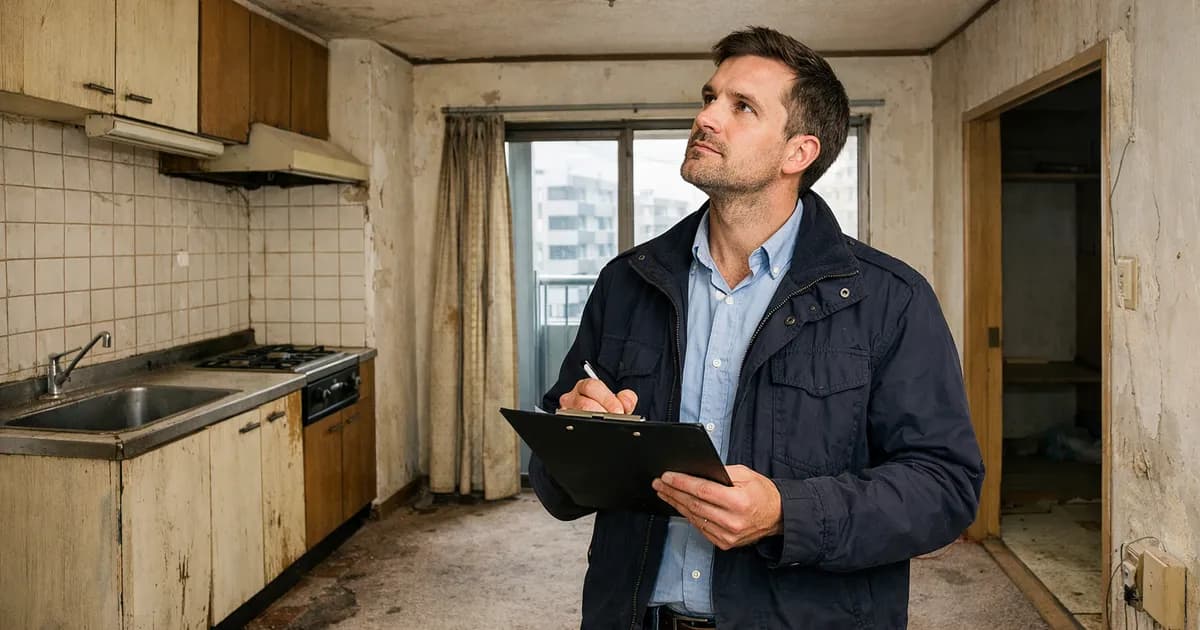
Buying a used apartment from a private seller usually gives you more room to negotiate and deal directly, but all the paperwork and legal risk are on you. Buying through a real estate agency gives you professional handling and reviewed documents, in exchange for a commission of 2% to 5%, which is usually paid by the seller. In both cases, the apartment still needs the same inspection: neither the private seller nor the agency guarantees that it's in good condition.
It’s one of the first decisions you’ll face, and a lot of people assume that buying from a private seller is always cheaper and that an agency always has your back. The reality is more nuanced. What really changes is not so much the price as who does the work and who takes the risk. Let’s break it down.
What really changes when you buy from a private seller or an agency?
The real difference is who does the work and who takes the hit if something goes wrong. With a private seller, you negotiate and handle the process directly: more control and more freedom, but also full responsibility for checking the paperwork and spotting problems. With an agency, a professional intermediary manages the process and, in theory, makes sure the documents are in order, in exchange for their commission.
What doesn’t change in either case is the apartment’s physical condition. An agency can show you the place and handle the paperwork, but it won’t inspect the structure or warn you about hidden damp. No matter who you buy from, the technical check is still on you, as we explain in what to check before buying a used apartment.
What are the advantages and risks of buying from a private seller?
Buying directly from the owner has clear upsides, but there are also things to watch out for.
Advantages
- Direct negotiation. You speak to the person who makes the decisions. With no middleman, there is sometimes more room to adjust the price or the terms.
- Faster communication. You are not tied to an agency’s schedule, so you can move faster if both sides are on the same page.
- Possible savings. If there is no agency commission involved, that cost does not get added to the price.
Risks
- All the paperwork is yours. Title report, deposit contract, deed, taxes, utility transfers... you handle it yourself or through your lawyer or clerk.
- Fewer protections. If a problem appears later and the contract didn’t mention it, going after a private seller is difficult.
- Fraud risk. Some sellers are not the real owners or hide liens. That’s why the title report is non-negotiable before you pay any deposit.
What does a real estate agency bring to the table — and what doesn’t it?
An agency is a professional intermediary, and its value lies in handling the process and reducing paperwork risks. What it does offer:
- Reviewed documents. A serious agency checks that the title report, occupancy certificate and the rest of the paperwork are in order before you sit down to sign.
- Guidance through the process. They walk you through the steps, deadlines and formalities, which is especially useful if this is your first purchase.
- Time savings. They filter listings, arrange viewings and coordinate the parties.
What it doesn’t give you: an agency works to close the sale, not to act as your expert witness. It doesn’t inspect the property’s true condition, it doesn’t guarantee there’s no damp or cracking, and its goal is to get the deal done. That’s why it’s worth checking the apartment yourself, especially expensive and hidden issues like the electrical system or moisture problems.
Who pays the agency commission?
The agency commission usually ranges from 2% to 5% of the sale price. In Spain, the seller usually pays it, because the seller is the one hiring the agency to market the apartment. But that is not a fixed rule: some agencies also charge the buyer (for example, a management fee or a fee for finding the property), so ask from the start who pays what.
Even if the seller officially pays it, keep in mind that this commission is usually built into the price. It may not come out of your pocket at signing, but it is still part of the total cost of the deal. One more thing about agencies: in Spain, real estate activity does not require a mandatory national license, so professionalism varies a lot from one office to another. Don’t trust the sign on the door alone. Read reviews, make sure they hand over all the paperwork without hassle, and be wary of anyone pushing you to sign the deposit contract quickly or asking for cash as a deposit with no contract in place. A serious agency has no problem letting you take your time to review the documents and the apartment calmly. And on top of that, there are the taxes and closing costs you always pay yourself, which we cover in buying a used apartment in Spain: costs, taxes and fees.
What if you buy a new-build apartment from a developer?
Buying directly from a developer is a third scenario, with its own rules and a different set of risks from the resale market. It’s worth knowing the differences.
On the tax side, new builds in Spain do not pay transfer tax: they pay VAT instead, plus Stamp Duty, which varies by region. In total, the tax bill is often similar to or slightly higher than for a used apartment, so don’t assume that new automatically means cheaper.
In return, new builds come with legal warranties that second-hand homes don’t. Under the Spanish Building Act, the developer is liable for defects for specific periods: one year for finishes, three years for habitability issues and ten years for structural damage. In addition, any money you pay upfront before handover must be guaranteed or insured.
The risk here is different: buying off-plan. You’re relying on an apartment that doesn’t exist yet, with possible delivery delays and differences between what was promised and what was actually built. Read the contract carefully, including the deadlines, the penalties for delay and the guarantee on the money you’ve paid. And when you get the keys, inspect the finishes thoroughly before signing the handover, because that is the moment to make a claim.
How do you protect yourself, no matter who you buy from?
It doesn’t matter whether the seller is a private owner or an agency: there are a few precautions you should always take.
- Ask for the title report and make sure the seller really owns the apartment and that there are no mortgages, liens or hidden charges.
- Demand the full documentation: occupancy certificate, energy certificate, up-to-date property tax receipts, homeowners’ association minutes and proof that fees are current.
- Sign a clear deposit contract that spells out the price, deadlines, what happens if either side backs out and what is included in the sale.
- Check the apartment thoroughly with your own eyes instead of trusting the seller or the agency’s word that everything is fine.
That last part is the one that can save you the most money — and the one nobody else does for you. AskPancho guides you room by room, shows you what to look for and what to ask, and helps you spot problems before you sign, no matter who you buy from. Cheap only stays cheap if it doesn’t end up costing you more later.
Methodology
Pancho, our AI assistant, walks you through buying a second-hand home in three layers. First the listing: he helps you pin down what you are really after and check whether what you find genuinely fits your needs. Then the area: what the neighbourhood is actually like, covering safety, schools, transport, amenities and the little things that shape day-to-day life. And finally the guided visit: Pancho takes you point by point to inspect the property in depth, from damp and structure to wiring and plumbing, window frames, kitchen, bathrooms, climate control and paperwork. We work from real inspection criteria, which we review and keep up to date. This content is for guidance only: it helps you know what to look at and what to ask before you sign, but it does not replace an in-person technical inspection, a valuation or the advice of a chartered professional.
Especialistas en compra de vivienda de segunda mano y análisis con IA
At AskPancho we help you buy a second-hand home with a clear head. With Pancho, our AI assistant, we help you pin down what you are looking for and see whether listings fit your needs, understand what the area is really like (safety, schools, transport and amenities), and inspect the property in depth on a guided visit, so you spot what really matters before you sign.